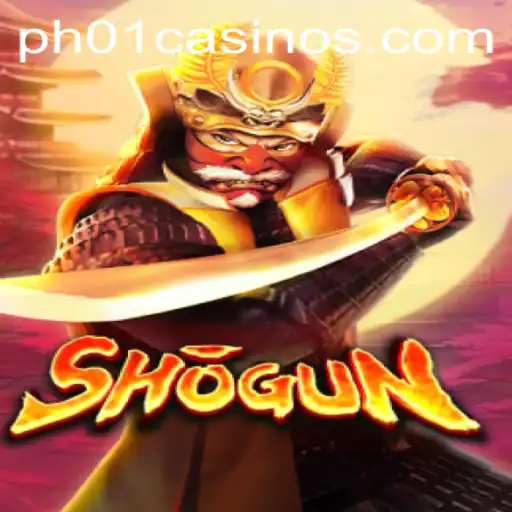
Shogun: A Strategic Journey through Feudal Japan
Introduction to Shogun
Shogun is a captivating board game that invites players to step into the rich tapestry of feudal Japan. Encompassing a unique blend of strategy, resource management, and historical elements, Shogun offers an engaging experience for enthusiasts of tactical gameplay. Developed by acclaimed designers, the game has gained a loyal following due to its depth, replayability, and the artful balance between various gameplay mechanics.
As modern gaming continues to evolve, Shogun has cemented its place as a perennial favorite among board game communities. The game's thematic backdrop, coupled with its intricate mechanics, provides a platform where players can immerse themselves in strategic battles reminiscent of the historical era of the samurai and daimyos.
Gameplay Mechanics
The main objective in Shogun is to accumulate the most points by the end of the game, achieved through strategic control of regions, efficient resource management, and successful combat tactics. The game supports up to five players, with each assuming the role of a daimyo, vying for control over territories in Japan's provinces.
Region Control
Players compete to dominate regions across the game map. Control over these regions is vital as they provide resources and opportunities to expand an army. Each province offers unique advantages and challenges, requiring players to carefully consider their moves and strategies.
Resource Management
A pivotal aspect of Shogun is its resource management system. Players must allocate rice to feed their armies and gold to fund their endeavors. A shortage of rice can lead to revolts, while inadequate gold can stall expansion. Thus, maintaining a balance between expansion and resource conservation is crucial.
Combat System
Combat in Shogun is resolved using a cube tower mechanic, which introduces an element of unpredictability and excitement. This innovative system requires players to drop their army cubes into a tower along with neutral cubes. Outcomes depend on which cubes ultimately emerge from the tower, simulating the chaotic nature of battles.
The ÖPH01 FUN Event and Current Context
In a recent collaboration with the entertainment platform ÖPH01 FUN, Shogun has gained renewed interest among digital audiences. This event highlighted the dynamic gameplay of Shogun through live online sessions and demonstration matches, introducing the game to a broader audience that may not be familiar with traditional board games.
The ÖPH01 FUN initiative provided players a digital space to connect with other enthusiasts, sharing strategies, and making new allies in the pursuit of becoming the ultimate shogun. With current global events pushing for more virtual engagements, this partnership has proven to be a successful venture in keeping the spirit of strategy board games alive, albeit in a digital format.
Strategies for Winning
Winning in Shogun requires a balanced approach and strategic foresight. Here are some tips to guide players on their path to victory:
Focus on Balance
Ensure you maintain a stable supply of rice and gold. Resource shortages can lead to significant setbacks, so always plan your resource allocation carefully.
Adapt Your Strategies
The ever-changing dynamics of Shogun require flexibility. Observe your opponents’ moves and be ready to adjust your strategies to optimize your position on the board.
Master the Combat
The cube tower can be unpredictable, but understanding the likely outcomes and probabilities can give you an edge. Anticipate potential results and prepare contingencies for battle plans that don't go as expected.
The Cultural and Historical Significance of Shogun
Beyond its mechanics and gameplay, Shogun serves as a cultural homage to its historical context. The game intricately weaves elements of Japanese history into its design, offering players a glimpse into the era of samurai and daimyos. This historical depth adds layers of enjoyment and learning for players, making each session not only a test of strategy but also an insightful journey into the past.
The narrative of Shogun resonates with themes of leadership, honor, and warfare, reflecting the values and struggles defined by the historical period it portrays. Contemporary players find themselves drawn to these timeless themes, finding relevance in the game's historical and cultural representations amidst today's fast-paced digital age.
Conclusion
In the realm of strategic board games, Shogun stands out as a testament to the enduring appeal of well-crafted gameplay tied seamlessly with historical themes. Its recent association with ÖPH01 FUN underscores the game's adaptability and timelessness, ensuring its ongoing popularity and legacy among diverse gaming communities worldwide.